Open ten search results for almost any topic and you'll notice something odd — half the titles are trying too hard, and the other half aren't trying at all. Somewhere in between sits the title tag that actually gets clicked. That gap between "technically correct" and "actually effective" is where most beginners lose out, and it's also the easiest thing to fix once you understand what's really going on.
Title tags and meta descriptions look like small pieces of code — a few lines tucked away in the head section of a webpage. But they're doing two jobs at once: telling Google what the page is about, and convincing a human being scrolling through search results that this particular link is worth their time over the nine others on the page. Most people optimize for only one of those jobs. That's usually the mistake.
This guide walks through both — the technical side and the psychological side — the way I'd explain it to a student sitting in front of a laptop for the first time, not the way a checklist would.
What Are Title Tags and Meta Descriptions?
A title tag is the clickable blue line you see in Google's search results. A meta description is the grey snippet of text sitting just below it. Neither of them shows up on the actual page a visitor lands on — they exist purely in the head section of your HTML, invisible unless you view the page source or check how it appears in search.
Here's where beginners usually get confused: the title tag is not the same as the H1 heading on your page. You can have a page heading that says "Our Services" while the title tag says "Digital Marketing Services in Meerut | Company Name" — and honestly, that's often the right approach. The H1 is for the reader once they've arrived. The title tag is for the decision they make before arriving.
The meta description doesn't directly influence ranking — Google has said this for years, and testing generally backs it up. What it does influence is whether someone clicks. And click-through rate, over time, does feed back into how a page performs. So it's indirect, but it's not irrelevant. That distinction trips up a lot of people who assume "not a ranking factor" means "doesn't matter."
Why This Actually Matters
You can write the best page on the internet about a topic, and if the title tag doesn't earn a click, none of that content gets read. I've seen well-researched, genuinely useful pages sit on page one of Google with a two-percent click-through rate simply because the title read like a database field rather than something a person would want to open.
There's a compounding effect too. Google does pay attention, over time, to how searchers behave with your listing compared to others ranking for the same query. A title and description that consistently earns clicks — and doesn't cause people to bounce straight back to the results page — sends a quiet signal that the page is satisfying the search. It's not a magic lever you can pull for instant rankings. Nothing in SEO works like that. But ignore it long enough and you're leaving visibility on the table that costs nothing to fix.
For small business owners specifically, this is often the highest-leverage five minutes you can spend on a website. You don't need new content, new backlinks, or a redesign. You need a title tag that says something a person searching would actually respond to.
How Title Tag and Meta Description Optimization Works
Let's get into the mechanics, because there are real technical limits here, not just style preferences.
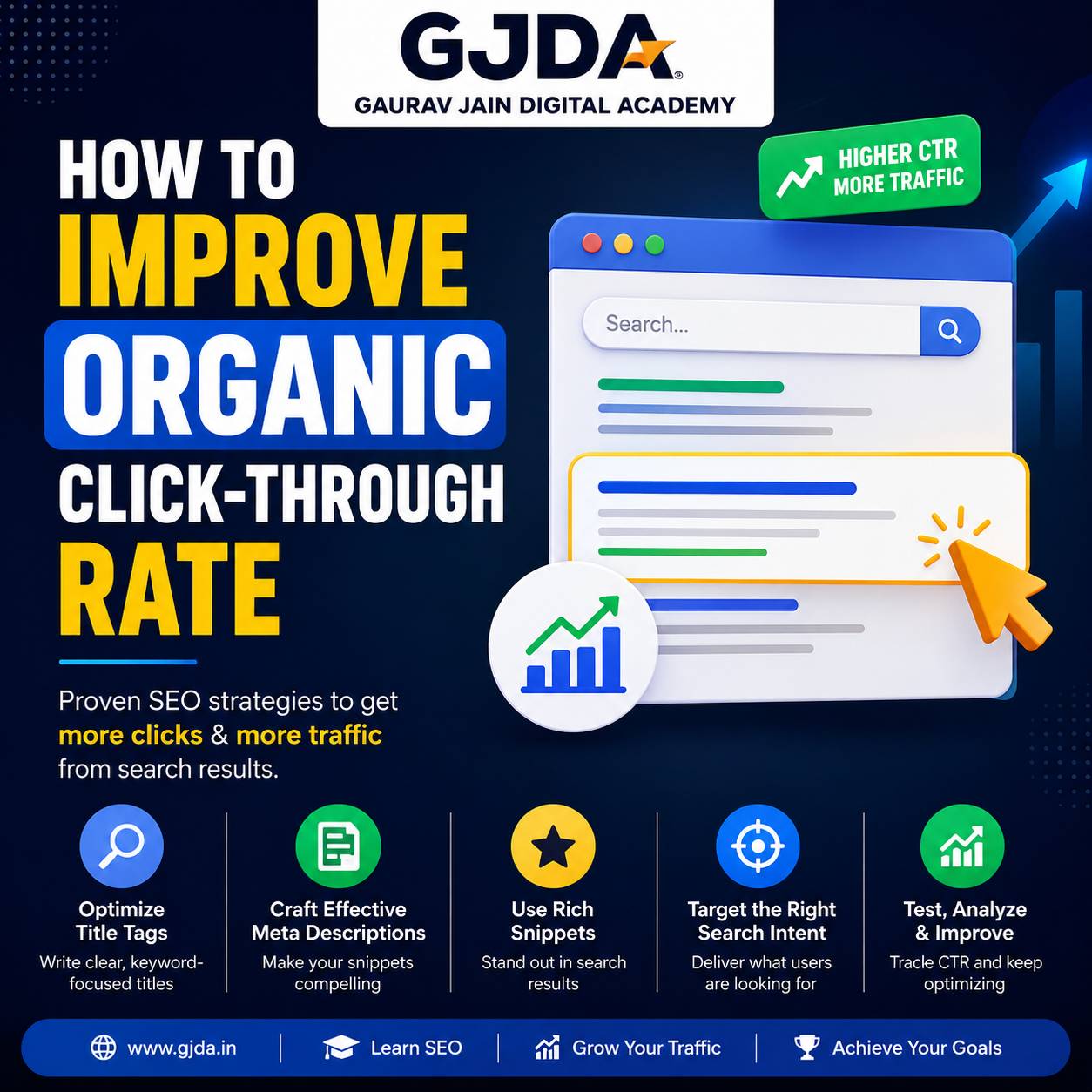
Google generally displays somewhere around 50–60 characters of a title tag before truncating it, though this isn't a hard pixel-perfect rule — it's based on pixel width, not character count, so a title full of narrow letters like "i" and "l" can run longer than one full of "w" and "m" and still fit. Practically, aiming for 50–60 characters keeps you safe. Meta descriptions have more room, generally up to about 155–160 characters before getting cut off with an ellipsis, though Google sometimes rewrites your description entirely if it decides a different snippet from the page answers the query better.
That last point surprises a lot of students. You can write a perfect meta description and Google may simply ignore it and pull a different sentence from your page content instead. This tends to happen when your written description doesn't closely match the actual search query, or when it's too vague to be useful. The fix isn't complicated — write descriptions that speak directly to what someone typed, not generic marketing language.
Here's a practical structure that works for most pages:
| Element | Ideal Length | Core Purpose |
|---|---|---|
| Title Tag | 50–60 characters | Primary keyword + clear value + brand (if space allows) |
| Meta Description | 150–160 characters | Expand on the promise, include a reason to click, match search intent |
The general formula I teach beginners is: Primary Keyword — Specific Benefit or Detail — Brand Name (optional). Not because it's a rule carved in stone, but because it front-loads the part a scanning eye catches first. Someone scrolling search results reads maybe the first 3–4 words of each title before deciding whether to keep reading. Put the important part first.
For meta descriptions, think of it as answering the unspoken question behind the search. If someone searches "how to optimize title tags," they're not just curious — they probably have a page sitting unoptimized right now. A description that says "Step-by-step guide with character limits, examples, and common mistakes to avoid" speaks to that intent far better than a vague "Learn about SEO best practices."
A Practical Example
I'll be upfront — this is a hypothetical example, not a documented client result, but it illustrates the kind of before-and-after pattern I've seen repeatedly while reviewing student websites.
Imagine a local bakery's product page with this original title: "Products - Cakes Page". Technically accurate. Completely uninteresting. A rewritten version might read: "Fresh Custom Cakes in Meerut | Same-Day Delivery". Same page, same content, but now it answers three unspoken questions at once — what is this, where is it, and can I get it fast.
The meta description could go from nothing at all (in which case Google auto-generates one, usually badly) to something like: "Order fresh custom cakes for birthdays, anniversaries, and events. Same-day delivery available across Meerut. Browse designs and prices online." Notice it doesn't just repeat the title — it adds new information that gives someone a reason to click over a competitor's listing.
Benefits of Getting This Right
A well-written title tag and meta description pair does a few things simultaneously. It improves click-through rate, which is the most immediate and measurable benefit — you can literally watch it move in Google Search Console within a few weeks of making changes. It also helps Google understand the page's topic more precisely, which matters for how the page gets matched to related queries. And it sets accurate expectations, which reduces bounce rate — because a title that overpromises just earns a click that leaves seconds later, and that pattern doesn't help anyone.
There's a smaller, less-discussed benefit too: consistency across your site's titles builds a kind of brand recognition in search results over time. When someone sees your business's listings repeatedly formatted the same clean way, it reads as more established, even if they can't articulate why.
Challenges You'll Run Into
The character limit is the most obvious constraint, but it's not the hardest one. The harder problem is writing something specific and compelling in that tiny space without sounding like every other result on the page. Generic phrasing is easy. Specific, click-worthy phrasing that still fits 60 characters takes actual editing.
Another real challenge — and this one has no clean solution — is that Google rewrites titles and descriptions fairly often now, more than it used to a few years back. You might spend time crafting the perfect title only to see Google display something slightly different in results, usually pulled from your H1 or page content. This tends to happen when your written title doesn't closely reflect the page content, or when it's stuffed with keywords rather than written naturally. The honest answer here is: write for relevance and clarity first, and Google is less likely to override you. It's not guaranteed, though. Some rewriting happens regardless of how well you optimize.
For sites with hundreds or thousands of pages — e-commerce catalogs, for instance — writing unique titles for every single page becomes genuinely time-consuming. Templated titles (using dynamic fields like product name and category) are a reasonable middle ground here, even though hand-written titles will usually outperform them on the highest-traffic pages.
Common Mistakes Beginners Make
- Duplicating the same title tag across multiple pages — this confuses both users and search engines about which page actually answers a given query.
- Keyword stuffing the title, like "Cakes Cake Shop Best Cakes Meerut Cake Delivery" — this reads as spam to both Google and searchers, and it doesn't help rankings the way people assume.
- Leaving meta descriptions blank across an entire site and letting Google auto-generate them, which often results in a random paragraph pulled from mid-page content.
- Writing titles that describe the business instead of the specific page — every page needs its own title reflecting its own content, not a copy-pasted homepage title.
- Ignoring mobile display, where truncation happens slightly differently and titles can get cut shorter than they appear on desktop previews.
Best Practices
Write the title for a human first, then check that it includes your primary keyword naturally — not the other way around. If a keyword doesn't fit without sounding forced, it's usually better left slightly reworded than crammed in.
Make every title on your site unique. This sounds obvious written down, but it's one of the most common technical SEO issues found during audits, even on established websites. Front-load the important words, since scanning behavior means the first few characters carry disproportionate weight. Match the description to actual search intent rather than writing generic marketing copy — think about what someone typed, not what you want to say about your business. And test periodically. Search Console shows you impressions and click-through rate by page; if a page ranks well but gets ignored, the title is often the first thing worth rewriting, before touching the content itself.
Useful Tools for This Work
| Tool | What It Helps With |
|---|---|
| Google Search Console | Shows real click-through rates per page, so you know what's actually underperforming |
| SERP Preview Tools | Simulate how your title and description will appear and get truncated in search results |
| Yoast SEO / Rank Math (WordPress) | Character counters and live snippet previews while editing a page |
| Google's own search results | The simplest tool — search your own keywords and study what competitors are doing |
Career Opportunities Around This Skill
On-page optimization — title tags, meta descriptions, headings, internal linking — sits at the core of almost every SEO role, from junior SEO executive to content strategist to technical SEO specialist. It's usually one of the first practical skills taught in any structured Professional SEO Training program, simply because it's low-risk to practice on real pages and the results — better click-through rates, improved rankings — show up fast enough to build confidence early in a learning path.
Practical Assignment
Pick any three pages from a real website — your own, a client's, or even a business you're studying. Search Console access isn't required for this. For each page, write down the current title tag and meta description exactly as they appear in Google's search results. Then rewrite both: keep the title under 60 characters with the primary keyword near the start, and write a description under 160 characters that answers what a searcher for that page's main keyword would actually want to know. Compare your rewrite against the original and honestly ask — would a stranger scrolling past this click yours over a competitor's?
Frequently Asked Questions
Do meta descriptions affect Google rankings directly?
Not directly. Google has confirmed the meta description itself isn't a ranking factor. But it affects click-through rate, and click-through behavior can indirectly influence how a page performs over time.
Why does Google sometimes show a different title than the one I wrote?
This usually happens when your written title doesn't closely match the page content, is too long, or is keyword-stuffed. Google pulls a replacement from your H1 tag or body content when it judges that a better match for the query.
What's the ideal title tag length in pixels, not characters?
Roughly 600 pixels is the safe zone, which typically works out to about 50–60 characters depending on which letters you use. There's no single perfect number — it varies slightly by device and font rendering.
Should every page on my website have a unique title tag?
Yes, without exception. Duplicate titles across pages is one of the more common issues flagged in technical SEO audits and it genuinely confuses search engines about which page to rank for a given query.
Can I use the same keyword in multiple title tags across my site?
You can use variations of a keyword, but exact duplicate titles targeting the same keyword on different pages usually causes those pages to compete against each other rather than rank well together.
Is it better to include my brand name in every title tag?
It depends on the page and the character budget. For homepage and top-level pages, yes — brand recognition helps. For deep product or blog pages where every character counts, it's often better to drop the brand name and use that space for more specific, relevant detail instead.
Do emojis or special characters in title tags help click-through rate?
Sometimes, and sometimes they backfire, depending on the industry and audience. They can make a listing stand out, but in more formal or professional niches they can look unprofessional or even trigger filtering in some display contexts. There isn't one correct answer here — it depends on your audience.
How often should I review and update my title tags?
There's no fixed schedule, but checking Search Console every few months for pages with high impressions and low click-through rate is a reasonable habit. If a page ranks well but nobody clicks it, the title is usually the first thing worth revisiting.
Does meta description length matter for mobile search results?
Yes — mobile screens generally show less text before truncation than desktop. Keeping descriptions closer to 120–150 characters is a safer bet if a large share of your traffic comes from mobile devices.
What happens if I leave the meta description blank?
Google will auto-generate one by pulling text from the page, often mid-paragraph, which rarely reads well or matches search intent effectively. Writing your own, even a basic one, is almost always better than leaving it empty.
Conclusion
Title tags and meta descriptions are small enough to fix in an afternoon and impactful enough that ignoring them quietly costs traffic every single day they're left generic. The technical rules — character limits, uniqueness, keyword placement — are simple to learn. The harder, more valuable skill is writing something specific enough that a stranger scrolling past chooses your result over the nine others sitting right next to it. That skill improves with practice, page by page, far more than it improves from reading any single guide — this one included. For anyone starting from zero, working through a structured beginner's course that covers on-page fundamentals like this one alongside real practice pages tends to build the habit faster than trial and error alone — and if you're exploring where to start that learning, our institute is one place among many worth looking at.
Good title tags aren't really about SEO tricks. They're about respecting the two seconds someone spends deciding whether your page is worth their time — and being specific enough, honestly enough, to earn it