Digital Marketing: Complete Learning Hub to Master Online Marketing Skills and Business Growth
11 Articles
A Practical Guide to Attribution Models in Digital Marketing
Learn how attribution models work in digital marketing, compare first-click, last-click, linear, time-decay, and data-driven models to measure conversions.
 Aug 13, 2026
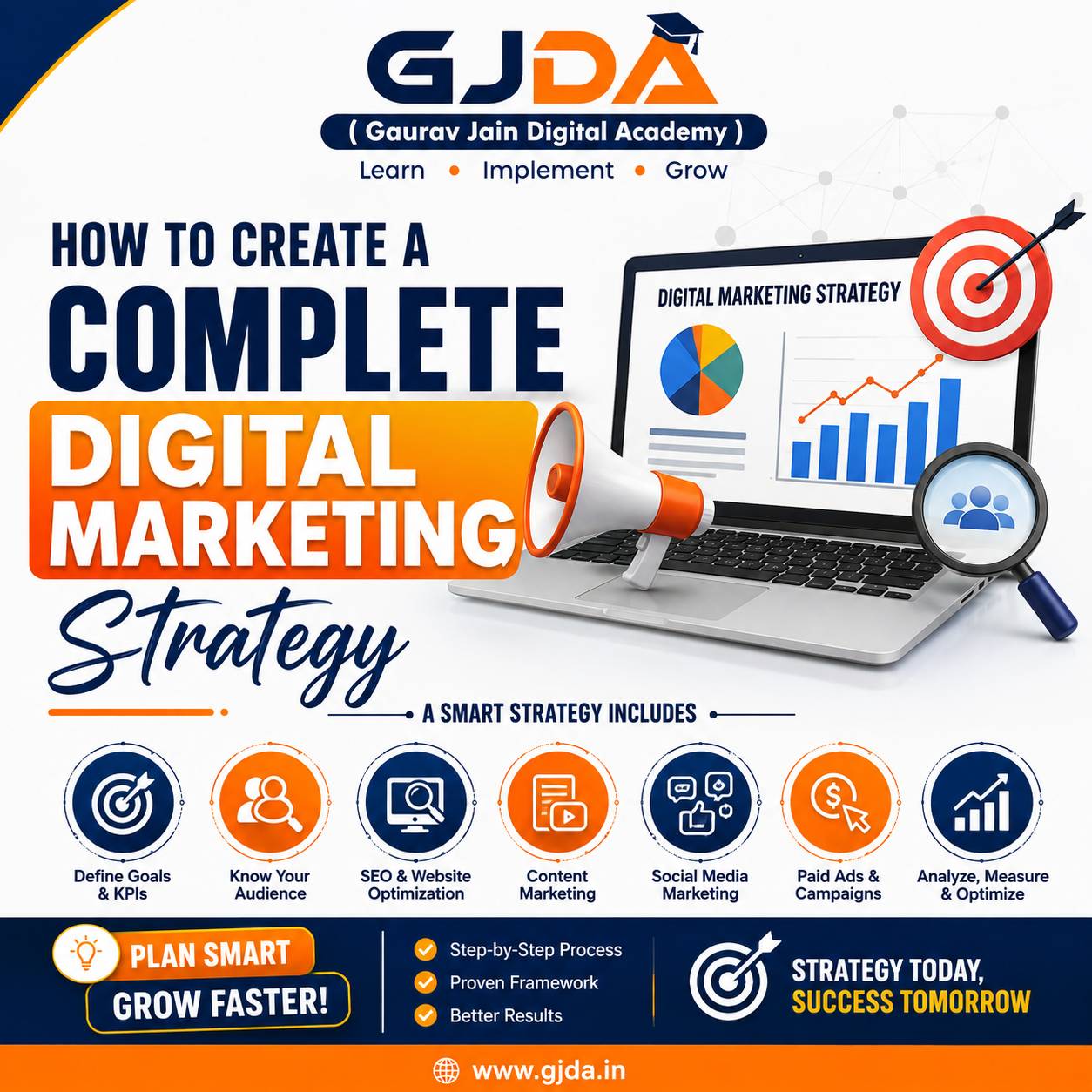
Build a Complete Digital Marketing Strategy That Works
Learn how to create a complete digital marketing strategy with clear goals, audience research, SEO, content, social media, paid ads, KPIs, and optimization.
 Aug 13, 2026
100 Free Digital Marketing Resources Every Student Needs
Explore 100 free digital marketing resources for students, including SEO, social media, Google Ads, content marketing, analytics, and practical learning tools.
 Jul 30, 2026
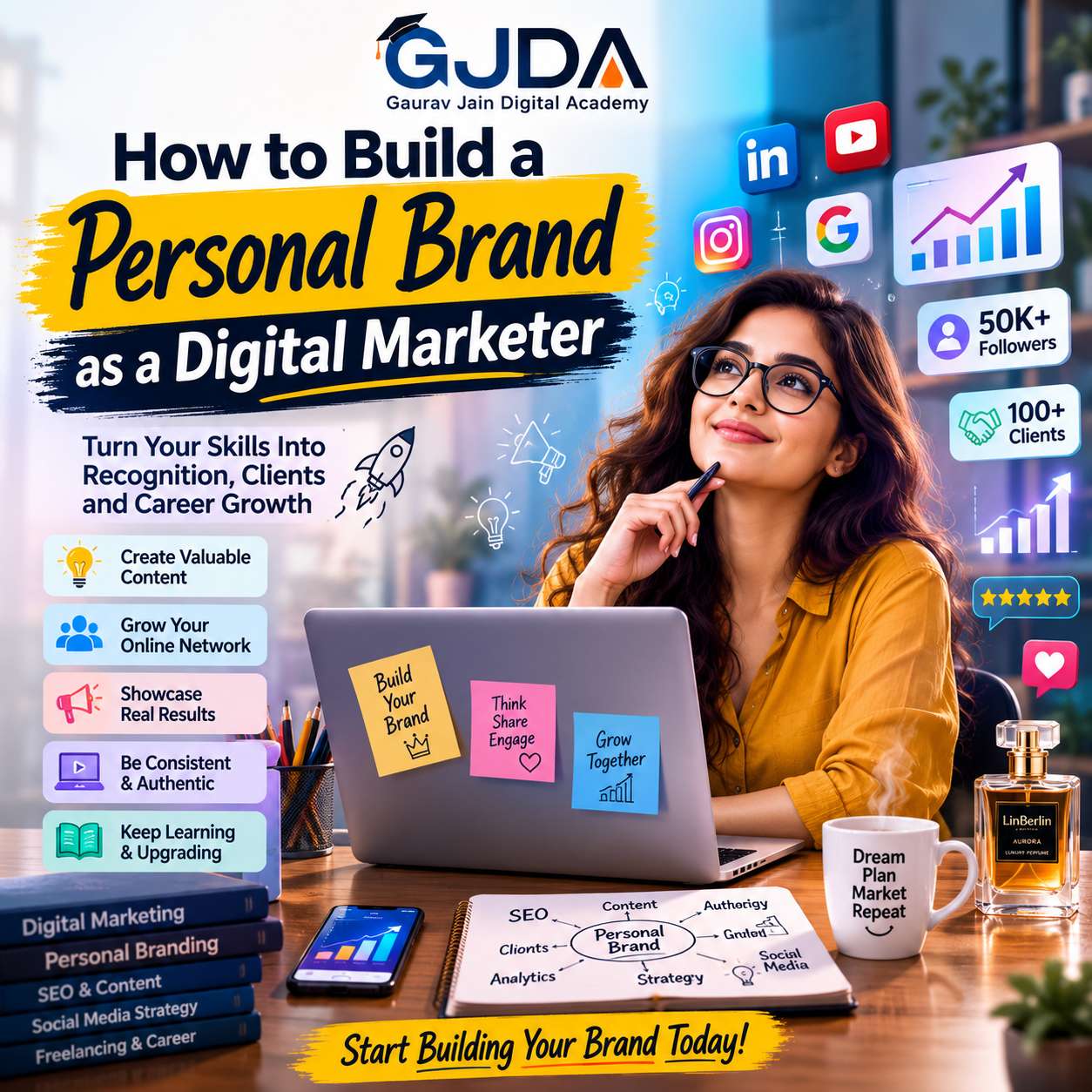
How to Build a Powerful Personal Brand as a Digital Marketer That Attracts Clients and Trust
Learn how to build a personal brand as a digital marketer with proven strategies, content, networking, and SEO to attract clients and grow authority.
 Jul 30, 2026
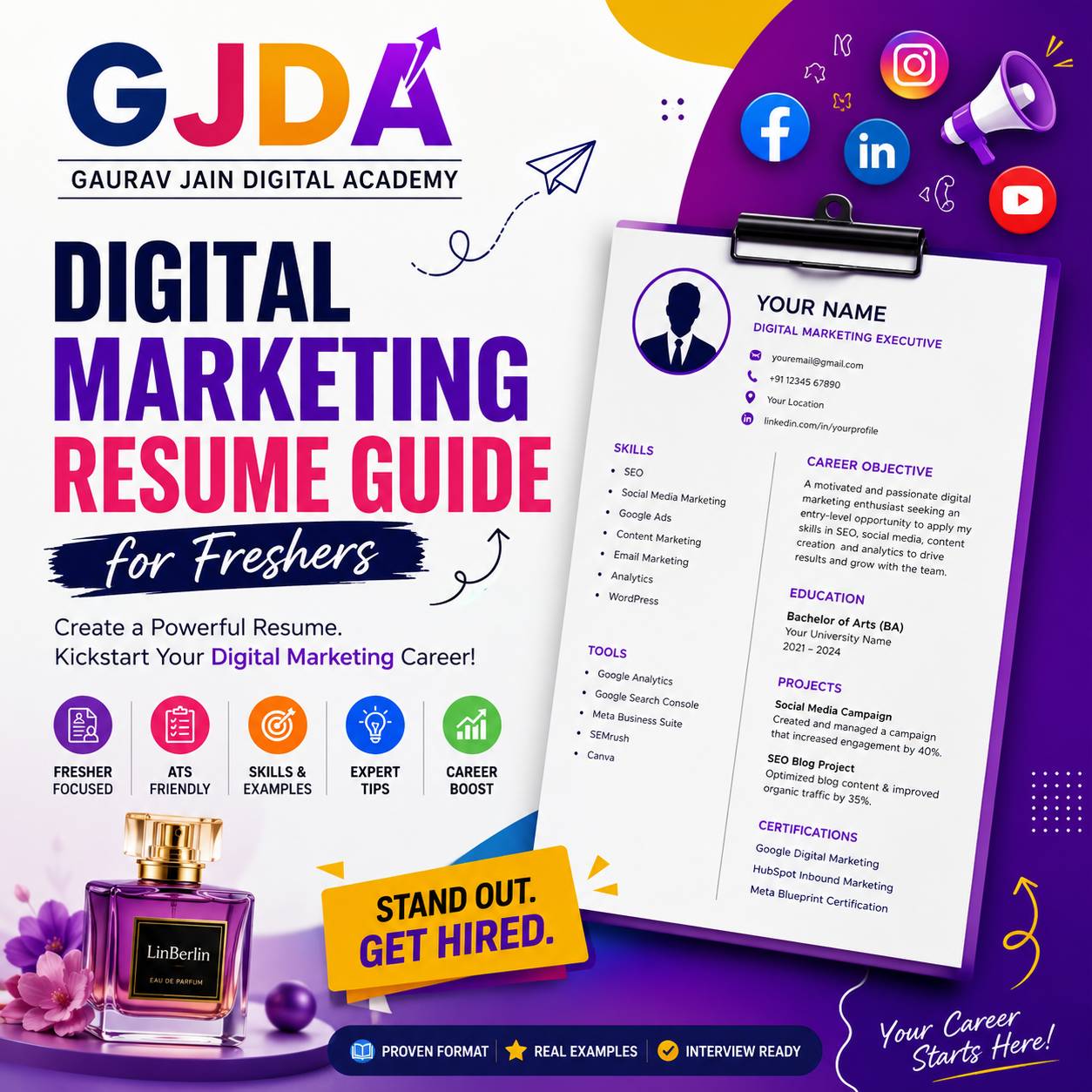
How to Build a Professional Digital Marketing Resume for Freshers That Gets Noticed
Learn how to create a job-winning digital marketing resume as a fresher with skills, format, examples, and expert tips to boost interview chances.
 Jul 30, 2026
Most Asked Digital Marketing Interview Questions and Expert Answers for Career Success
Prepare for your next marketing job with top digital marketing interview questions and answers, covering SEO, PPC, social media, analytics, and more.
 Jul 30, 2026
How to Price Digital Marketing Services
Learn how to price digital marketing services using proven strategies, market rates, and value-based pricing to boost profits and attract clients.
 Jul 30, 2026
Freelancing vs Full-Time Digital Marketing Career
Compare freelancing and full-time digital marketing careers. Explore income, flexibility, job security, growth, and career opportunities.
 Jul 30, 2026
How to Get Your First Digital Marketing Client
Learn proven strategies to get your first digital marketing client, build credibility, attract leads, and grow your marketing business.
A local bakery owner once told us she spent ₹15,000 on a newspaper ad that brought in maybe four new customers she could actually trace back to it. The same month, ₹15,000 on Instagram ads plus a Google Business Profile cleanup brought in over 60 orders she could track down to the rupee. That's not a dramatic story. It's just what digital marketing actually is when you strip away the buzzwords — marketing you can measure, aimed at people who are already looking.
This page covers the whole field: what it means, how the channels fit together, where beginners waste money, and where experienced marketers still get tripped up. If you're new, read start to finish. If you're already working in the field, skip to whichever channel section you need.
What Is Digital Marketing?
Digital marketing is promoting products, services, or brands through internet-based channels — search engines, social platforms, email, apps, video — instead of (or alongside) traditional media like TV, print, and billboards. The core difference isn't just "online versus offline." It's that almost everything in digital marketing can be tracked back to a specific action: a click, a form fill, a purchase.
That traceability is the whole game. A billboard can't tell you which of the ten thousand cars that drove past actually bought something because of it. A Google Ad can. That single difference is why digital marketing budgets have overtaken traditional advertising spend in most industries over the past decade, and why the shift shows no sign of reversing.
Why It Matters
Here's the thing most beginners miss — digital marketing isn't important because it's "modern" or because everyone else is doing it. It's important because it's the only form of marketing where a small business with ₹20,000 and a laptop can genuinely compete for attention against a company with a ₹2 crore marketing budget, at least in specific, narrow searches or audiences. That doesn't happen in TV advertising. It happens constantly in search and social.
It also matters because customer behavior has permanently shifted. Someone deciding where to eat dinner tonight checks Google Maps and reviews before they check anything else. Someone buying a mattress reads five blog comparisons and watches two YouTube reviews before clicking buy. If your business isn't visible at those specific moments, you're not losing a little business — you're often losing the whole decision before you even knew it was happening.
How Digital Marketing Actually Works
It works as a system of channels feeding a funnel, even though most beginners learn each channel in isolation and never quite connect them. Someone discovers your brand through a channel (often paid ads, organic search, or social content), engages with your content or offer, and eventually converts through email, retargeting ads, or a direct visit once trust is built. Rarely does someone see one Instagram post and buy immediately — usually it's five or six touchpoints across different channels before a purchase decision.
| Channel | What It's Best For |
|---|---|
| SEO | Long-term, compounding organic traffic from search intent |
| Google Ads (PPC) | Immediate visibility for high-intent searches |
| Social Media Marketing | Brand awareness, community building, discovery |
| Content Marketing | Building authority and answering buyer questions before they ask a competitor |
| Email Marketing | Highest ROI channel for retaining and converting warm leads |
| Affiliate Marketing | Performance-based promotion through third-party publishers |
| Influencer Marketing | Borrowed trust and reach within a niche audience |
| Video Marketing | Higher engagement and retention than static content, especially on YouTube and Reels |
| Mobile Marketing | SMS, app push notifications, and location-based targeting |
| AI Marketing | Faster testing, personalization, and predictive targeting layered across all the above |
Alongside the channels sit the disciplines that make them work — analytics (measuring what's actually happening), conversion rate optimization or CRO (improving how many visitors actually take action), online reputation management or ORM (controlling what shows up when someone searches your brand name), lead generation, and marketing automation, which stitches a lot of this together so it doesn't all require manual effort every day.
A Real-World Example
A D2C skincare brand launching in a crowded market used a fairly standard but well-executed sequence: SEO-optimized blog content targeting "best sunscreen for oily skin India" type searches, an Instagram presence built through micro-influencer partnerships (creators with 10k-50k followers, cheaper and often more trusted than big names), retargeting ads to website visitors who didn't buy, and an email sequence for cart abandoners offering a small discount on the third touch, not the first.
Within eight months, organic search was contributing around 30% of traffic with essentially zero ongoing cost per visitor, compared to paid social which was still working but at a rising cost per acquisition as the ad account matured and competition increased. That's a pattern worth remembering — paid channels get more expensive as a category matures and more advertisers pile in, while owned channels like SEO and email tend to get cheaper per result over time, assuming you keep investing in them early.
Benefits of Digital Marketing
- Precise targeting — reaching a 28-year-old new mother in Pune interested in organic baby food is possible in a way traditional media simply can't replicate.
- Measurable ROI on nearly every rupee spent, which makes budget decisions evidence-based instead of guesswork.
- Lower entry cost than traditional advertising, which is why small businesses and solo founders can build real brands without institutional funding.
- Two-way communication — customers can comment, message, and review publicly, which is both a benefit and, we'll be honest, a challenge covered in the next section.
Challenges Worth Knowing Upfront
Platforms change the rules constantly. An organic reach strategy that worked brilliantly on Facebook in 2018 barely works today because the algorithm now heavily favors paid content. SEO best practices from three years ago can actively hurt you now after major Google updates. This isn't a field where you learn something once and coast — it demands ongoing attention, which is exhausting for solo marketers trying to keep up with five channels simultaneously.
Attribution is genuinely messy. If a customer sees your Instagram ad, later searches your brand name on Google, reads a blog post, and buys three days after clicking an email — which channel gets credit? Most attribution models answer this differently, and businesses often end up over-crediting whichever channel is easiest to measure (usually the last click) rather than the one that actually did the persuading.
And the two-way communication mentioned above cuts both ways. A single viral negative review or comment thread can do real damage to a brand's reputation within hours, in a way a bad newspaper review never could. Online reputation management isn't optional once a brand has any real visibility.
Common Mistakes
- Spreading thin across every channel at once instead of mastering one or two first — a business with limited time is usually better off dominating SEO or one paid channel than being mediocre across five.
- Treating social media follower count as a success metric instead of engagement, click-through, and actual conversions.
- Running ads without a landing page built to convert — sending paid traffic to a generic homepage wastes a large chunk of ad spend.
- Ignoring email marketing because it feels old-fashioned, when it consistently ranks among the highest ROI channels available, often outperforming social by a wide margin per rupee spent.
- Copying a competitor's strategy without understanding why it worked for them specifically — their audience, budget, and starting position are rarely identical to yours.
Best Practices
Start with one core channel that fits your product and audience, get it profitable or genuinely working, then expand. A B2B software company probably starts with SEO and LinkedIn, not TikTok. A fashion brand probably starts with Instagram and influencer partnerships, not cold email.
Track everything from day one — install Google Analytics 4 and set up conversion tracking before you spend a single rupee on ads, not after the first campaign when you're wondering why you can't tell what worked.
Build an email list early even if you're not using it heavily yet. It's the one channel you actually own — algorithm changes on social platforms can tank your reach overnight, but a list of 5,000 emails is yours regardless of what any platform does.
Test small before scaling. A ₹1,000/day ad test that tells you what messaging resonates is worth more than jumping straight to ₹20,000/day on an untested assumption.
Useful Digital Marketing Tools
| Category | Tools |
|---|---|
| Analytics | Google Analytics 4, Google Search Console |
| SEO | SEMrush, Ahrefs, Ubersuggest for smaller budgets |
| Social scheduling | Buffer, Later, Meta Business Suite |
| Email marketing | Mailchimp, Klaviyo |
| CRO / landing pages | Unbounce, Hotjar for behavior tracking |
| AI-assisted marketing | Claude, ChatGPT, Surfer SEO |
Career Opportunities in Digital Marketing
This is one of the more accessible professional fields to break into without a formal degree in it — a strong portfolio of real campaigns (even self-run ones on a small budget) often matters more to hiring managers than credentials alone. Common entry points include SEO executive, social media manager, PPC specialist, content marketer, and increasingly, AI-augmented marketing roles that blend traditional skills with prompt engineering and automation.
Freelancing is genuinely viable here in a way it isn't in a lot of fields — a freelancer managing three to four small business clients' social media and ads can build a stable income within a year or two, and agency work offers another path for people who prefer working across many brands rather than specializing deeply in one. Salaries and freelance rates vary widely by city, specialization, and experience, and honestly the biggest earning jump usually comes not from years of experience alone but from being able to show measurable results — a specific campaign, a specific ROAS number, a specific ranking improvement.
If you're serious about building this as a career rather than picking it up piecemeal, our AI Digital Marketing Training Course covers the full channel stack — SEO, paid ads, social, email, and AI-assisted workflows — with hands-on campaign work rather than slides alone.
Practical Assignment
Pick a small local business (your own, a friend's, or a hypothetical one). Write out, in order, the five touchpoints a customer would realistically go through before buying from them online — from first discovery to final purchase. Then identify which single channel you'd invest in first if you had ₹10,000 and one month, and explain why in two or three sentences. This forces you to think in funnels instead of isolated tactics, which is the actual skill this field rewards.
Frequently Asked Questions
What's the difference between digital marketing and SEO?
SEO is one channel within digital marketing, focused specifically on organic search visibility. Digital marketing is the broader umbrella covering SEO alongside paid ads, social, email, and every other online channel.
Can I learn digital marketing without a technical background?
Yes. Most core skills — content strategy, ad management, social media, email — don't require coding. Some advanced SEO and analytics work benefits from basic technical literacy, but it's learnable, not a prerequisite.
How long does it take to learn digital marketing?
Basic working knowledge across the main channels typically takes two to four months of consistent, hands-on practice. Genuine expertise in any one channel takes considerably longer and really only comes from running real campaigns, not just courses.
Is digital marketing a good career in 2026?
Yes, demand remains strong, though the bar has risen — employers increasingly expect at least basic AI tool proficiency alongside traditional channel knowledge. Generalists who can't show measurable results are finding it harder to stand out than they did five years ago.
What certifications are worth getting?
Google's own certifications (Google Ads, Google Analytics) are free and respected because they're directly tied to platforms employers actually use. HubSpot's free certifications are also well regarded for inbound marketing fundamentals.
How much can a digital marketer earn?
It varies enormously by city, specialization, and whether you're employed versus freelancing, and depends heavily on your ability to demonstrate specific results rather than years of experience alone.
Do small businesses really need all these channels?
No — and trying to run all of them with limited time usually backfires. Most small businesses do better focusing deeply on one or two channels that fit their specific audience rather than spreading thin.
What is performance marketing?
It refers to marketing where you pay based on measurable actions — clicks, leads, or sales — rather than paying a flat rate for exposure. Google Ads and affiliate marketing are both performance marketing models.
How is AI changing digital marketing?
It's speeding up content drafting, ad testing, and personalization significantly, though it hasn't replaced the strategic judgment behind why a campaign works. We cover this in depth on our AI Marketing pillar page if you want the full picture.
Should I specialize in one channel or learn everything?
Learn the fundamentals of every channel first so you understand how they connect, then specialize in one or two where you show the strongest results or genuine interest — generalist knowledge with specialist depth in one area tends to be the most hireable combination.
Digital marketing isn't one skill, it's a toolbox, and the marketers who do well long-term are the ones who understand how the pieces connect rather than treating each channel as its own island. Check the related reads below on SEO, Google Ads, and AI Marketing for the deeper channel-specific guides, and if you'd rather learn this hands-on with real campaign practice instead of piecing it together, our Digital Marketing Training Course is built exactly around this roadmap.