Master E-commerce Marketing to Increase Traffic, Conversions, Sales, and Customer Loyalty
4 Articles
 Aug 09, 2026
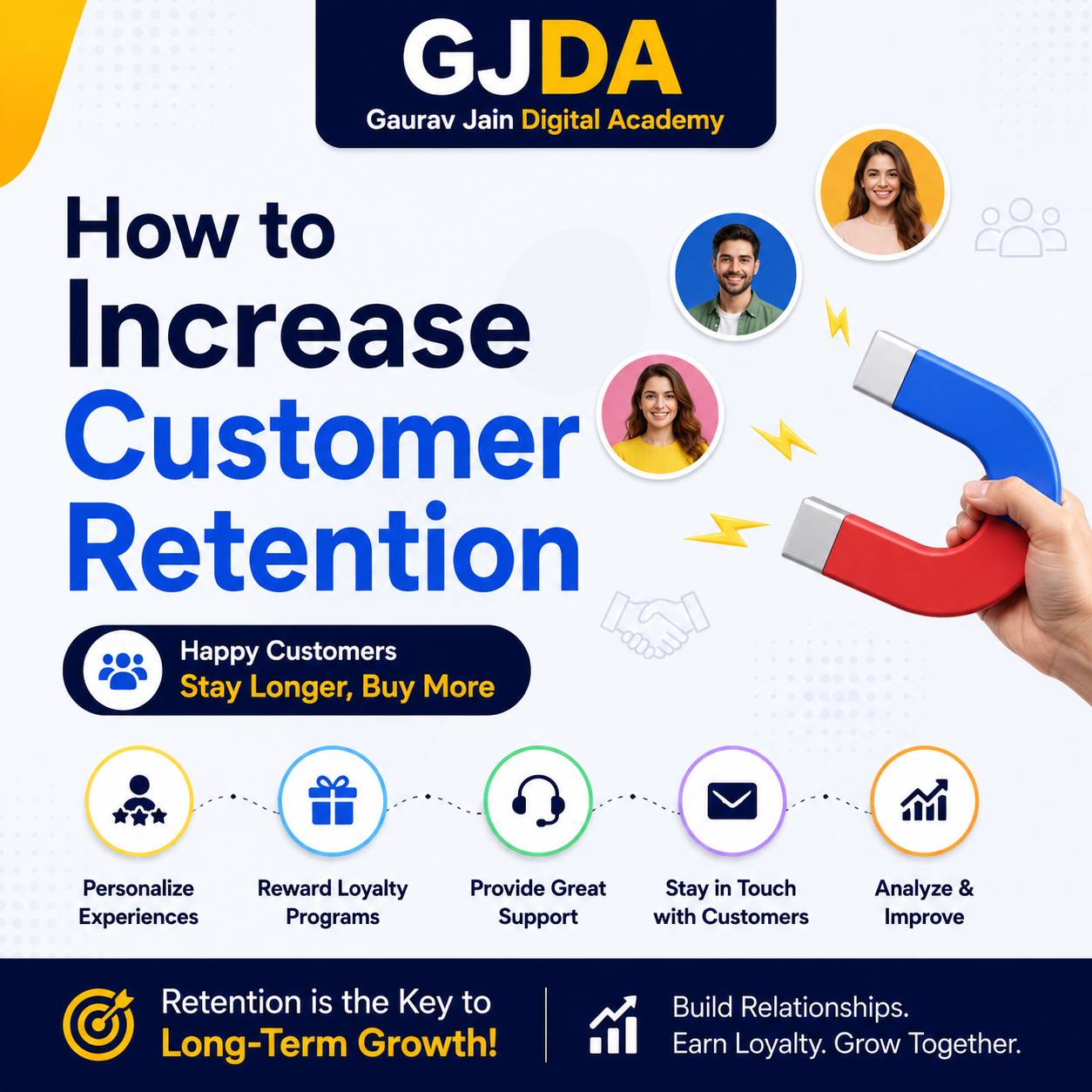
Proven Ecommerce Strategies to Increase Customer Retention
Learn how to increase customer retention in ecommerce with personalized experiences, loyalty programs, better support, and strategies that drive repeat sales.
 Aug 08, 2026
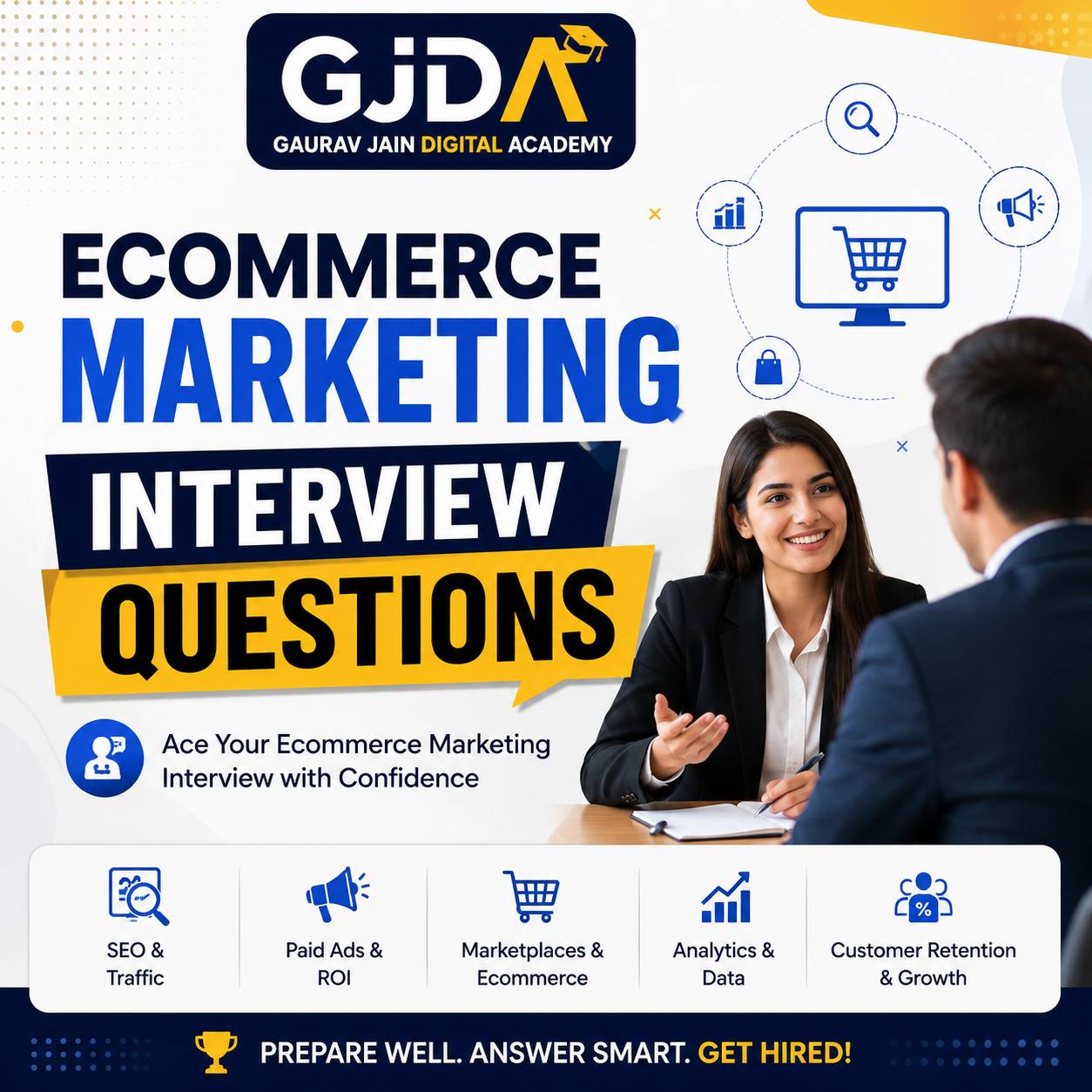
Ecommerce Marketing Interview Questions for Job Success
Prepare for ecommerce marketing interviews with practical questions on SEO, paid ads, conversion rates, analytics, marketplaces, and customer retention.
 Aug 04, 2026
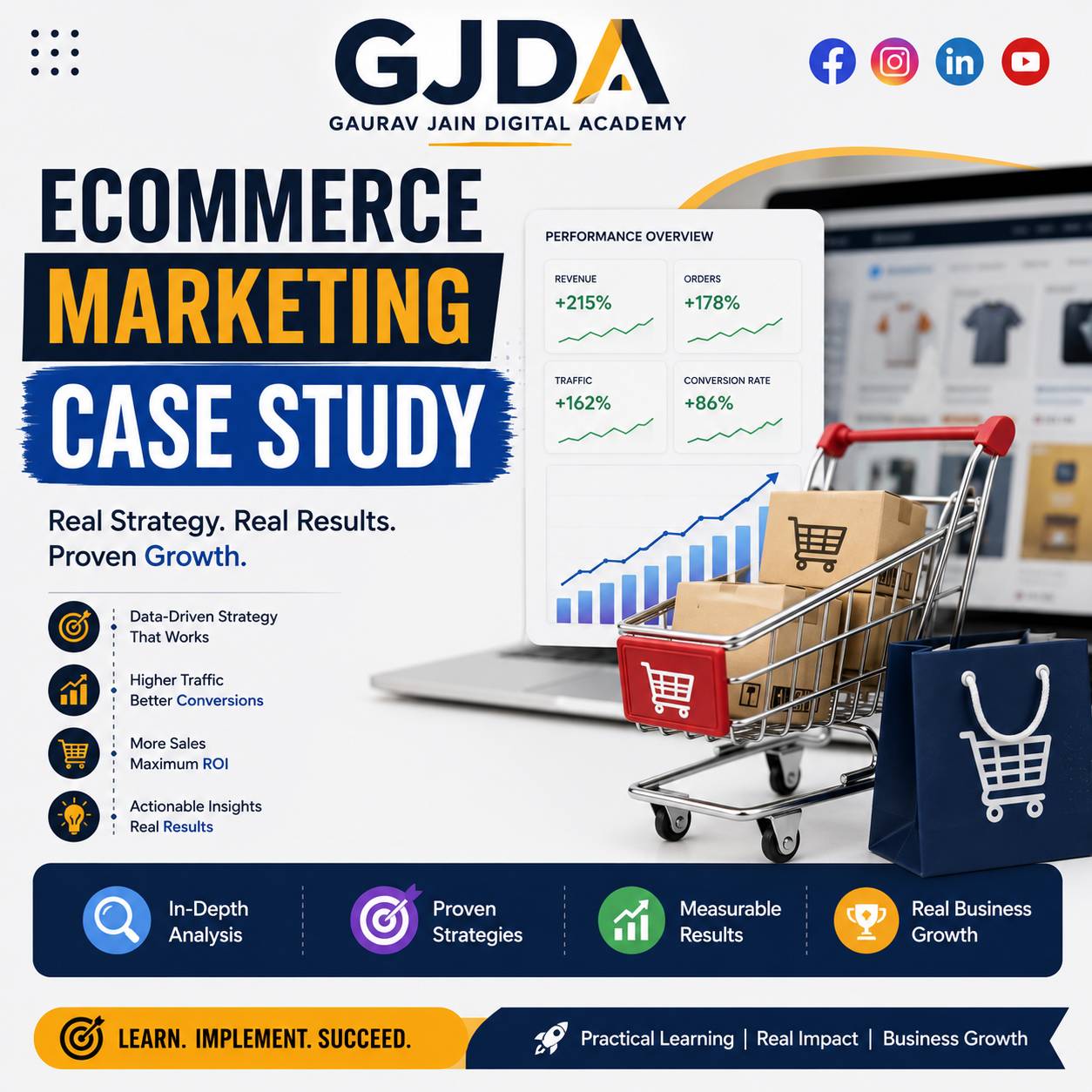
Real Ecommerce Marketing Case Study with Proven Strategies, Results, and Expert Insights
Explore a real ecommerce marketing case study with proven strategies, campaign insights, and expert analysis to increase traffic, conversions, and sales.
 Aug 01, 2026
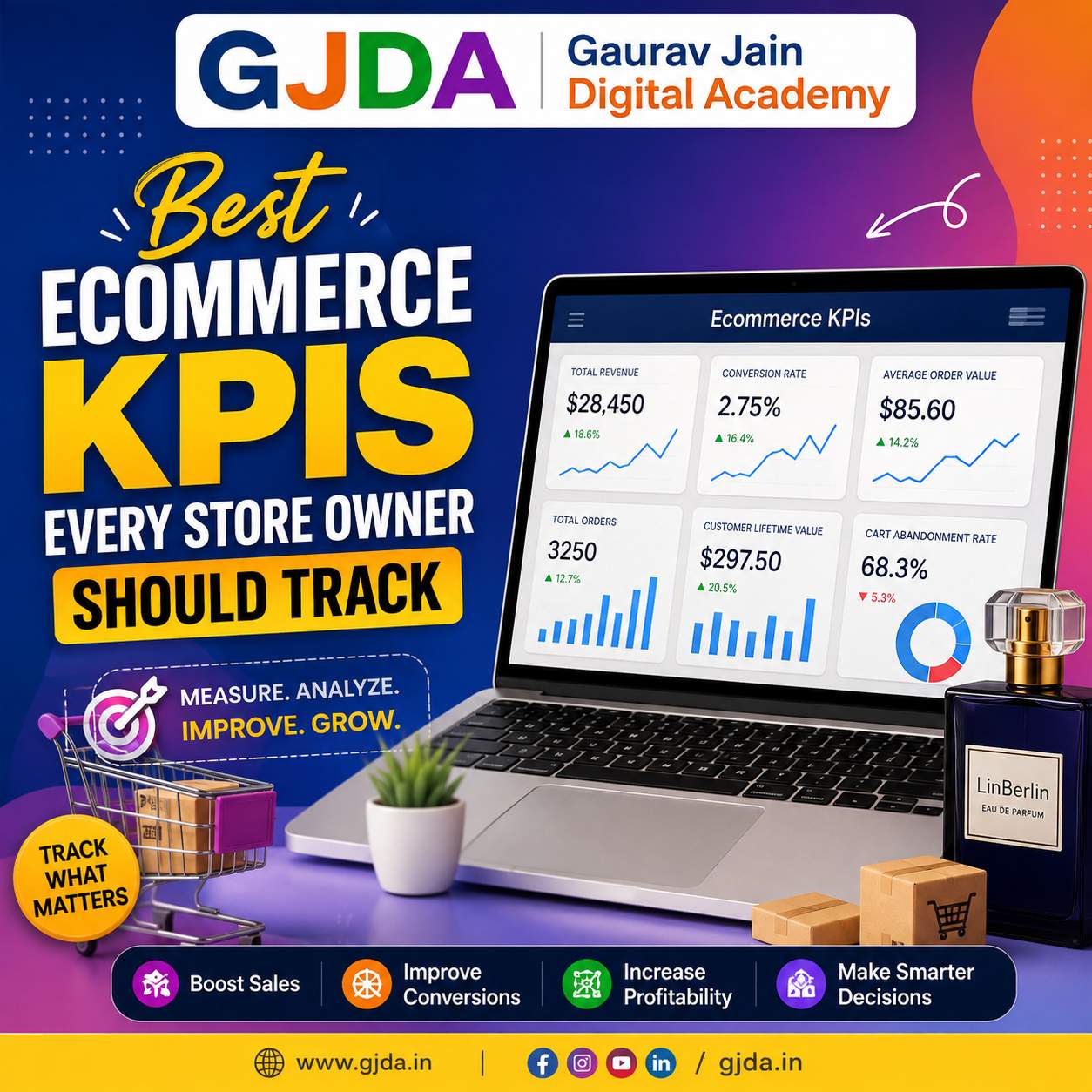
Essential Ecommerce KPI Metrics to Measure Store Performance and Drive Sustainable Growth
Track the most important ecommerce KPIs to measure sales, customer growth, conversions, and profitability while making smarter business decisions.
An online furniture brand we worked with was getting 40,000 monthly site visitors and converting under 0.6% of them — meaning nearly all that traffic, all that ad spend, was walking away without buying. Six months of focused work on product pages, email flows, and retargeting got that number to 1.9%. Same traffic, roughly triple the revenue. Nobody added a new marketing channel to do it. That's the part of e-commerce marketing most people skip past on their way to chasing the next platform.
This page covers the whole picture — driving traffic, converting it, and keeping customers coming back, across every major channel and marketplace, with the honest tradeoffs included.
What Is E-commerce Marketing?
E-commerce marketing covers everything that gets someone to discover an online store, decide to buy, and come back again — as distinct from general digital marketing, it's specifically judged against revenue, not just clicks or impressions. A brand awareness campaign that doesn't eventually show up in cart value is, in an e-commerce context, not really working, however good the engagement numbers look on a report.
It spans acquisition (SEO, paid ads, social, affiliate, influencer), conversion (product pages, checkout flow, CRO), and retention (email, SMS, loyalty programs) — three distinct disciplines that most beginners lump together as "marketing" without realizing they require genuinely different skills and different success metrics.
Why It Matters
Here's the uncomfortable math a lot of new store owners don't do upfront: if your customer acquisition cost is ₹400 and your average order value is ₹600 with a 40% margin, you're losing money on every first purchase. The business only becomes profitable if that customer buys again, or if you fix the conversion and pricing side. This is why retention and CRO aren't optional "nice to have" additions — for most e-commerce businesses, they're the actual difference between profitable and not.
It also matters because customer expectations have shifted permanently. Amazon-level shipping speed and Instagram-level visual polish are now the baseline comparison for every online store, even a small D2C brand with three employees. Falling short of that comparison doesn't feel like a minor gap to a customer — it reads as untrustworthy, and they bounce to a competitor without a second thought.
How E-commerce Marketing Actually Works
Picture the customer journey as a funnel with real friction at every stage, not a smooth slide. Someone discovers your brand through an ad, a search result, or an influencer post. They land on a product page and decide whether to trust you enough to add to cart. They go through checkout — and this is where a shocking number of stores lose people, cart abandonment industry-wide sits around 70% on average. If they buy, retention marketing decides whether that's a one-time transaction or the start of a repeat customer relationship.
| Stage | Primary Channels |
|---|---|
| Acquisition | SEO, Google Shopping, Meta Ads, influencer marketing, marketplace listings |
| Conversion | Product page optimization, CRO testing, trust signals, checkout simplification |
| Retention | Email flows, SMS marketing, loyalty programs, remarketing to past buyers |
AI has slotted into all three stages over the past couple of years — predictive product recommendations, dynamic email content based on browsing behavior, and automated ad creative testing across dozens of variations. It doesn't replace the strategy of what to sell and to whom. It makes the execution around that strategy faster.
A Real-World Example
A skincare brand selling through both their own Shopify store and Amazon noticed something odd — their Amazon listings converted at nearly 12%, while their own site sat around 1.5% for the same products at similar traffic quality. Digging in, the gap came down to trust signals Amazon provides automatically (reviews prominently displayed, fast delivery guarantees, easy returns) that their own site simply didn't replicate well.
They rebuilt their product pages to front-load reviews above the fold, added a visible "7-day easy return" badge near the add-to-cart button, and introduced size/shade quiz functionality to reduce purchase hesitation. Conversion rate on their own site climbed to around 2.8% over three months — still below Amazon's, which makes sense given Amazon's built-in trust advantage, but a meaningful improvement that came from copying trust mechanics, not from spending more on ads.
Benefits of Strong E-commerce Marketing
- Compounding retention value — a customer who trusts your brand enough to buy twice typically costs far less to market to the second time than the first.
- Marketplace diversification (Amazon, Flipkart, Meesho, Etsy depending on category) spreads risk instead of relying entirely on your own site's traffic and conversion.
- Data ownership through your own store and email list, which marketplaces largely don't give you access to — you know almost nothing about who bought your product on Amazon beyond the transaction itself.
Challenges
Attribution gets genuinely messy once you're running Meta ads, Google Shopping, email, and an Amazon storefront simultaneously — figuring out which channel actually drove a sale, versus which one just happened to be the last touch before checkout, is a real and ongoing headache even for experienced teams with proper analytics setups.
Ad costs on Meta and Google have risen substantially since the 2020-2021 e-commerce boom, and iOS privacy changes have made retargeting and lookalike audience targeting noticeably less precise than they used to be. What worked as a playbook in 2019 doesn't translate cleanly to today's costs and targeting limitations, and pretending otherwise wastes budget fast.
And marketplaces like Amazon and Flipkart come with their own rules, fees, and algorithm quirks that are entirely separate from your own site's SEO and ads — treating them as "just another sales channel" without learning their specific mechanics is a common and costly assumption.
Common Mistakes
- Pouring budget into acquisition while ignoring a checkout flow with unnecessary steps or forced account creation — both proven, well-documented conversion killers.
- Treating email marketing as an occasional newsletter instead of an automated flow triggered by behavior (cart abandonment, browse abandonment, post-purchase follow-up).
- Copying product descriptions across your own site and marketplace listings word for word, which hurts SEO on your own domain and can trigger duplicate content issues.
- Ignoring product photography quality on mobile specifically, when the large majority of e-commerce traffic in India now comes through mobile devices.
- Discounting constantly to drive sales, training your customer base to wait for the next sale instead of buying at full price — this erodes margin and brand positioning over time.
Best Practices
Fix conversion before you scale acquisition. Doubling ad spend on a site converting at 0.8% just means losing money faster. Get the product page, trust signals, and checkout flow solid first, then pour fuel on it.
Build post-purchase email and SMS flows before you need them — order confirmation, shipping updates, a review request, and a follow-up offer roughly two to three weeks later. These run automatically once set up and consistently generate repeat revenue with almost no ongoing effort.
Use Google Shopping ads for any physical product with clear search intent; the visual listing format tends to convert well because the customer already sees the product and price before clicking. Layer Meta ads for discovery-stage audiences who aren't actively searching yet but match your customer profile.
Treat each marketplace (Amazon, Flipkart, Meesho, Etsy) as its own mini-business with its own SEO rules, pricing dynamics, and ad system, rather than an afterthought bolted onto your main store strategy.
Useful Tools for E-commerce Marketing
| Category | Tools |
|---|---|
| Store analytics & CRO | Google Analytics 4, Hotjar, Shopify's native analytics |
| Email & SMS marketing | Klaviyo, Omnisend |
| Ad management | Meta Ads Manager, Google Ads, Google Merchant Center |
| Product recommendations & personalization | Nosto, Rebuy |
| SEO for product pages | Semrush, Ahrefs |
| AI-assisted content & creative | Claude or ChatGPT for product copy, Canva AI for ad variations |
Career Opportunities
E-commerce marketing has become specialized enough that "e-commerce marketing manager" and "CRO specialist" are now distinct job titles, separate from general digital marketing roles — brands increasingly want people who understand the specific mechanics of product pages, checkout funnels, and retention flows, not just general campaign management.
Freelancing and agency work are both genuinely viable paths here — a freelancer who can demonstrably improve a store's conversion rate or set up a proper email retention flow tends to command higher rates than a general social media freelancer, because the work ties directly and measurably to revenue. Agencies specializing purely in Shopify CRO or e-commerce email marketing have grown considerably over the past few years as brands realize this needs dedicated expertise rather than a generalist handling it alongside five other channels.
If you want a structured path through this rather than piecing it together from scattered blog posts, our E-commerce Marketing Training Course covers the full acquisition-to-retention funnel with hands-on practice across Shopify, ad platforms, and email automation.
Practical Assignment
Pick any online store you shop at regularly, or your own if you run one. Walk through the entire purchase journey as a customer would — from clicking an ad or search result, through the product page, to checkout — and write down every point of friction or hesitation you notice: unclear pricing, too many form fields, no visible return policy, slow load time. This single exercise, done honestly, usually surfaces more actionable improvements than a week of reading generic CRO tips.
Frequently Asked Questions
What's the difference between e-commerce marketing and general digital marketing?
E-commerce marketing is specifically judged against revenue and transaction metrics rather than broader brand or engagement goals, and it includes retention and CRO disciplines that a service business or content site typically doesn't need to the same degree.
What's a good conversion rate for an online store?
Industry averages typically sit between 1-3%, though it varies significantly by category and price point — a low-cost impulse item usually converts higher than a considered, high-ticket purchase like furniture.
Should I sell on my own website or on marketplaces like Amazon?
Realistically, both — marketplaces provide built-in trust and traffic but limited customer data ownership and higher competition, while your own store gives full control and data but requires you to build trust and drive traffic yourself. Most successful brands run both simultaneously.
How important is email marketing for e-commerce?
Very — automated flows like cart abandonment and post-purchase sequences consistently rank among the highest ROI activities in e-commerce marketing, often outperforming paid acquisition channels on a cost basis.
What causes high cart abandonment rates?
Unexpected shipping costs revealed only at checkout, forced account creation, too many form fields, and limited payment options are the most commonly cited causes across CRO research and testing.
Is AI useful for small e-commerce brands or only large ones?
Genuinely useful at small scale too — AI-assisted product description writing, basic personalization tools, and automated ad creative testing are accessible even on modest budgets, not just enterprise-level operations.
How do I choose between Google Shopping and Meta Ads?
Google Shopping tends to work best for products people actively search for by name or category. Meta Ads work well for discovery — reaching people who'd want your product but aren't actively searching yet. Most mature stores run both.
What legal considerations apply to e-commerce marketing in India?
GST compliance, clear return and refund policy disclosure, and accurate product claims (especially in categories like health and beauty) are the main areas that get scrutinized — misleading claims or unclear refund terms can trigger consumer complaints and platform penalties.
How much can an e-commerce marketing specialist earn?
It varies by whether you're employed or freelancing, your specialization, and your ability to show measurable revenue impact — professionals who can point to specific conversion rate or retention improvements tend to command noticeably higher rates than generalists.
What should I focus on first if I'm starting an e-commerce marketing career?
Learn one platform's ad system deeply (Meta or Google) alongside basic CRO principles and email automation — that combination covers acquisition, conversion, and retention at a foundational level and is genuinely hireable on its own.
E-commerce marketing rewards people who think in full funnels rather than isolated channels — driving traffic to a store that leaks customers at checkout is just an expensive way to generate data, not revenue. Check the related reads below on CRO, email marketing automation, and marketplace SEO for deeper guidance on each piece, and if you'd rather build this skill set with hands-on practice instead of scattered reading, our E-commerce Marketing Training Course is built around exactly this roadmap.