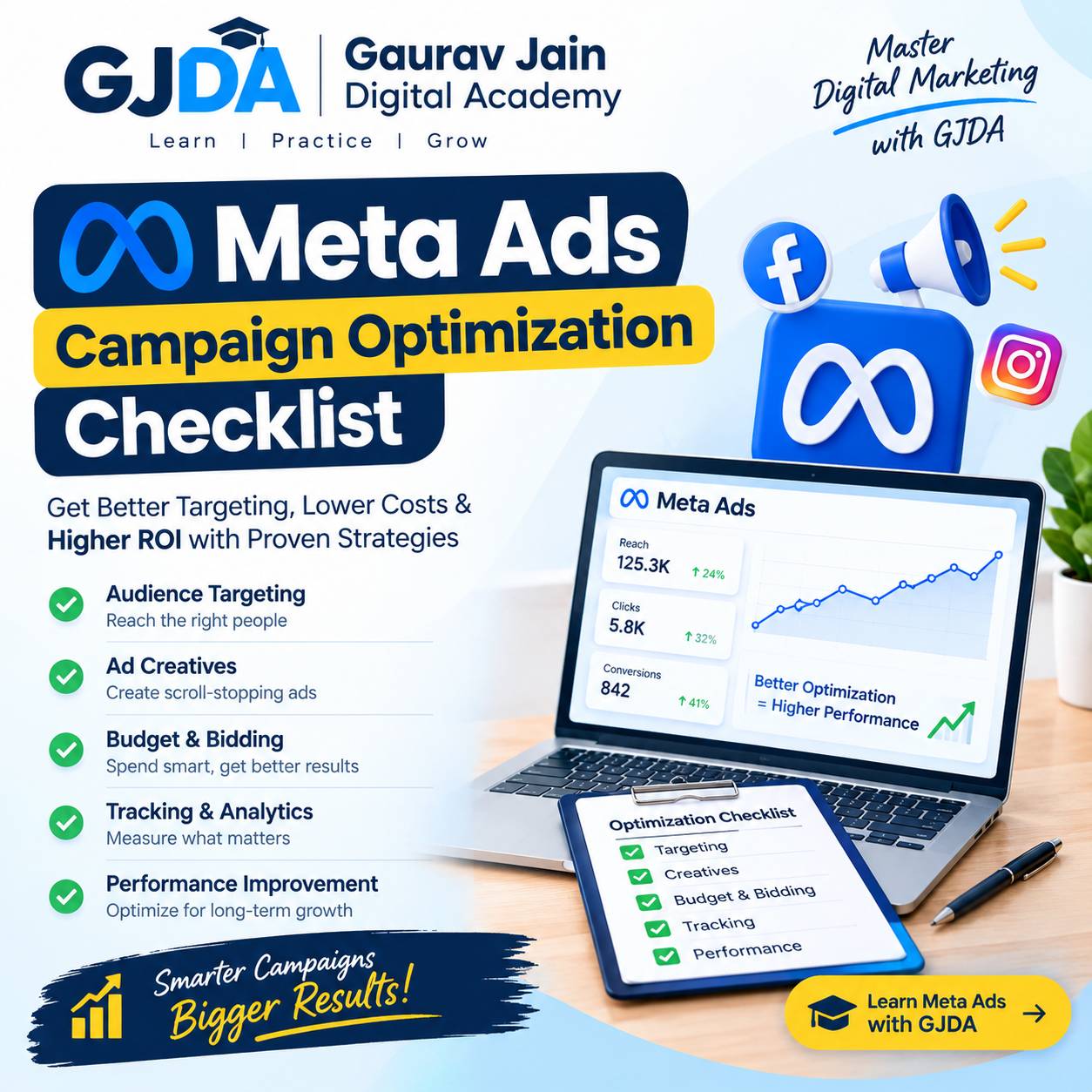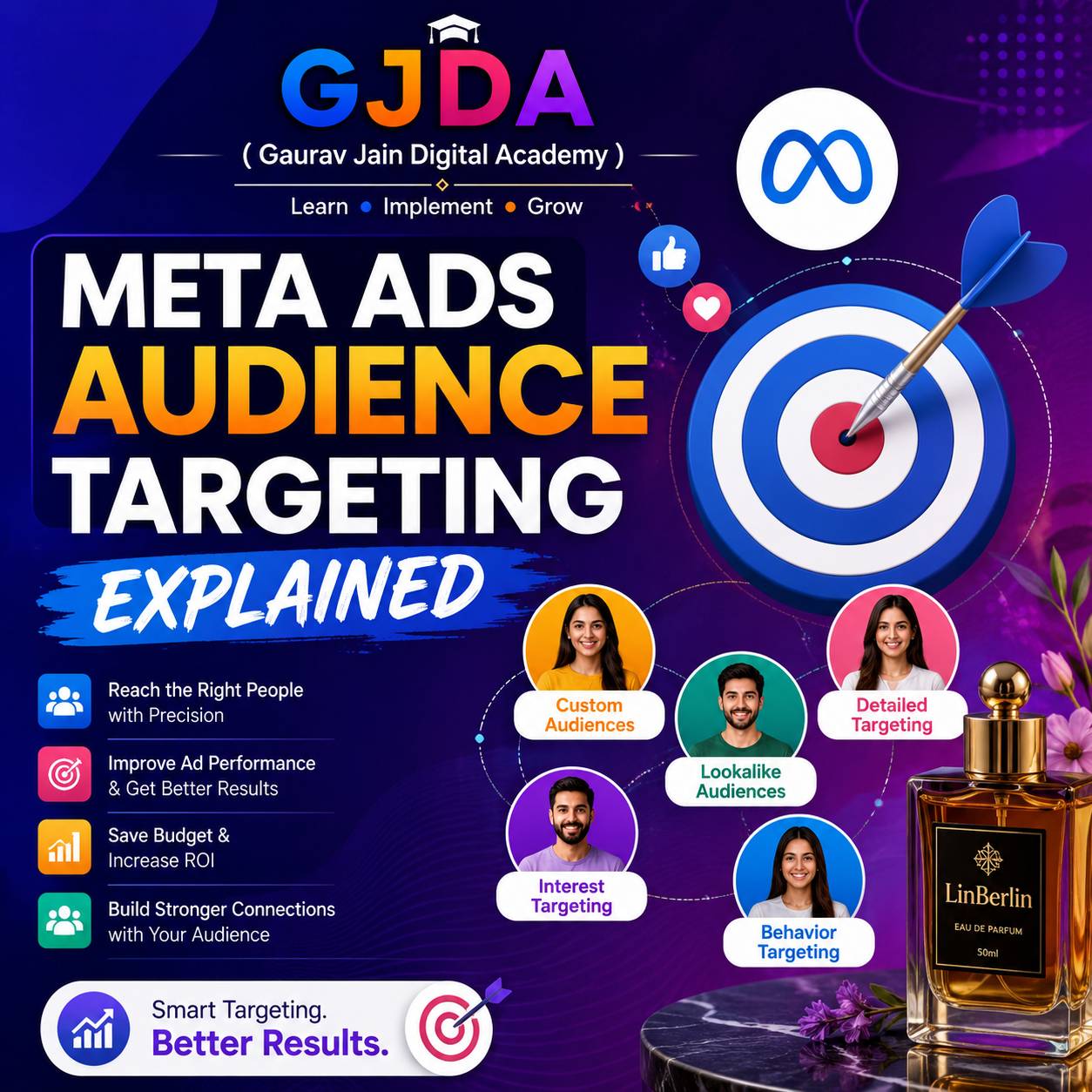
Most people building their first Meta Ads lead generation campaign make the same expensive mistake — they open Ads Manager, pick "Leads" as the objective, upload a nice image, and wait. Then three days later they're staring at a cost-per-lead that's twice what they budgeted, wondering what went wrong. Nothing went wrong technically. The campaign just wasn't built the way a converting one needs to be.
This article walks through what actually makes a lead generation campaign on Facebook and Instagram convert — not the surface-level checklist version, but the reasoning behind each decision, so you can adapt it when your situation doesn't match the textbook case.
What Is a Lead Generation Campaign on Meta Ads?
It's tempting to just say "it's ads that collect leads" and move on, but that skips the part that actually matters for beginners: how Meta defines and processes a lead differs depending on which method you choose, and that choice changes everything downstream.
A Meta lead generation campaign is a paid advertising setup on Facebook or Instagram designed specifically to capture contact information — usually name, phone number, and email — from people interested in a product or service. You can do this two main ways: Instant Forms (leads stay inside the Meta platform, filled with pre-populated data) or website-based lead capture (traffic goes to your landing page, where they fill a form you control). Both count as "lead generation" in casual conversation. They behave very differently in practice.
Why Lead Generation Campaigns Matter for Small Businesses
Because it's often the fastest, most controllable way to get a steady stream of interested prospects without depending entirely on referrals or walk-ins. A dentist, a real estate agent, a coaching institute, a boutique gym — all of these run fine on lead campaigns because the sales cycle usually needs a phone call or consultation before purchase anyway. It's not a fit for every business type, and I'll come back to that later, but for service-based and consultation-driven businesses, it tends to work better than pushing straight to a sale.
Here's the thing — a lot of small business owners assume more leads automatically means more revenue. It doesn't. Not automatically, anyway. A hundred low-quality leads from a poorly targeted campaign can be worse than twenty well-qualified ones, because your sales team burns hours chasing people who were never going to buy.
How a High-Converting Lead Campaign Actually Works
Conversion doesn't come from one clever setting in Ads Manager. It comes from four things lining up together — audience, creative, offer, and follow-up. Miss any one, and the other three can't compensate fully.
- Audience targeting — Start broader than most beginners expect. Meta's algorithm, based on my experience training students who run live campaigns, usually performs better with a slightly wider audience and enough budget to learn, rather than an overly narrow interest stack that starves the delivery system of data.
- The offer — This is where most campaigns quietly fail. "Contact us for more info" is not an offer. A free consultation, a downloadable guide, a limited-time discount — something with clear, immediate value — pulls conversion rates up noticeably compared to vague calls to action.
- Creative — Video generally outperforms static images for lead campaigns, though this isn't a universal rule; for certain B2B or high-ticket offers, a clean static ad with strong copy can outperform video. It depends on the audience's browsing behaviour and how much explanation the offer needs.
- Follow-up speed — Rarely talked about in ad tutorials, but it matters enormously. A lead that isn't contacted within the first hour cools off fast. This isn't an ad platform problem — it's a sales process problem — but it directly affects whether your "high-converting campaign" actually converts into revenue.
A Hypothetical Example to Make This Concrete
Say a local yoga studio wants new monthly memberships. A campaign that just says "Join our yoga studio, best in the city" with a generic image will likely underperform. A campaign offering "First class free — no card required, just show up" paired with a short video of an actual class in session, targeted to people within a 5–8 km radius aged 24–45 with interests in fitness or wellness, is far more likely to convert. This is a hypothetical scenario for teaching purposes, not an actual client result — but the structural logic holds regardless of the industry.
Benefits of Running Lead Campaigns on Meta
| Benefit | Why It Matters |
|---|---|
| Instant Forms reduce friction | Pre-filled data means users don't need to type on mobile, which raises completion rates |
| Granular targeting options | Reach specific age groups, locations, interests, and behaviours rather than broadcasting blindly |
| Fast data feedback | You can see cost-per-lead trends within 24–48 hours and adjust, unlike traditional print or outdoor ads |
| Retargeting capability | People who engaged but didn't submit a form can be re-approached with a different message |
Challenges You'll Likely Run Into
Lead quality is the big one. Instant Form leads, because they're so frictionless, sometimes come from people who tapped without real intent — just browsing, curious, or accidentally submitted. This is a known trade-off with the format, not a sign you did something wrong.
Rising costs during the learning phase is another. Meta's algorithm needs roughly 50 conversions in a 7-day window per ad set to exit the "learning phase" properly. Campaigns with small budgets often never really exit this phase, which keeps costs unpredictable. If your daily budget can't realistically reach that volume, expect more instability in your cost-per-lead numbers — that's a budget-and-algorithm limitation, not a creative problem.
Ad fatigue also creeps in faster than beginners expect, especially with narrow audiences. The same creative shown to the same small group too many times starts losing effectiveness within a couple of weeks in many cases — though this varies a fair bit depending on audience size and frequency caps.
Common Mistakes Beginners Make
- Turning campaigns off after 2–3 days because results look weak, without letting the algorithm exit its learning phase
- Writing forms with too many fields — every extra question drops completion rate, sometimes significantly
- Ignoring the disconnect between ad creative and landing page or form messaging, which confuses users and increases drop-off
- Not setting up a CRM or spreadsheet to track lead source, so there's no way to know later which campaign actually produced paying customers
- Assuming Instant Forms are always better than website forms — they're not; website forms usually produce higher-intent leads even though volume is lower
Best Practices Worth Following
Test two to three creative variations from day one instead of relying on a single ad — this isn't optional if you want reliable data on what's actually working. Keep forms short: name, phone, one qualifying question at most. Set up instant lead notifications, whether through email, WhatsApp integration, or a CRM sync, so your team calls fresh leads quickly rather than in a weekly batch. And track cost-per-lead against cost-per-customer, not just cost-per-lead alone — a campaign with a higher cost-per-lead but better lead quality can still be the more profitable option.
Useful Tools for Managing Lead Campaigns
| Tool | Purpose |
|---|---|
| Meta Ads Manager | Core platform for building, running, and monitoring campaigns |
| Meta Events Manager | Tracking conversions and setting up the Meta Pixel for website-based leads |
| Google Sheets / CRM (Zoho, HubSpot) | Organising and following up on incoming leads systematically |
| Canva | Creating quick ad creatives and video thumbnails |
| WhatsApp Business API | Instant lead notification and quick follow-up communication |
If you're planning to combine lead campaigns with broader automation — auto-responses, lead scoring, follow-up sequences — it's worth understanding how to build an AI-powered marketing workflow around your ad campaigns, since manual follow-up alone often can't keep pace once lead volume grows.
Career Opportunities in Meta Ads
Meta Ads specialists are in steady demand across agencies, in-house marketing teams, and freelance work, since almost every business with a local or online presence eventually tests paid social. Roles range from performance marketing executive to Meta Ads specialist to, eventually, media buying manager overseeing larger budgets. Freelancers often start by managing lead campaigns for small local businesses — it's usually a lower-budget entry point compared to e-commerce ad management, which needs a stronger grasp of ROAS and product catalogue setups.
If you're new to this and want to build a portfolio before pitching bigger clients, it helps to first understand how to land your first digital marketing client, since running one or two real lead campaigns — even at a small budget — teaches you far more than theory alone.
Practical Assignment
Pick a fictional local business — a salon, a tuition center, a small clinic, anything familiar to you. Write out: one lead magnet offer, one Instant Form with no more than four fields, and one ad headline plus primary text under 125 characters. Then write down what you'd track in the first 7 days to judge whether the campaign is working. This exercise forces you to think through the full funnel instead of just the ad itself.
Frequently Asked Questions
1. What's a good cost-per-lead for a Meta Ads campaign?
There isn't one fixed number — it depends heavily on industry, city, and offer value. A ₹50 lead for a low-ticket product and a ₹500 lead for a high-ticket consultation service can both be perfectly reasonable, depending on what each lead is actually worth to the business.
2. Instant Form or website landing page — which converts better?
Instant Forms usually generate more leads at a lower cost because of reduced friction, but website forms tend to bring higher-intent leads since users go through more effort. The "better" choice depends on whether you're optimising for volume or quality.
3. How much budget do I need to start a lead generation campaign?
There's no strict minimum, but for the algorithm to gather enough data to optimise properly, a daily budget that can produce a reasonable number of results per week works better than a very small, stretched-out budget.
4. Why are my leads not picking up calls?
This usually points to either slow follow-up (leads cool off within hours), mismatched expectations between the ad and the actual offer, or low-intent leads from an overly broad or poorly targeted audience.
5. Can I run lead generation campaigns without a website?
Yes — Instant Forms work entirely within Facebook and Instagram, so a website isn't required, though having one does open up retargeting and Pixel-based optimisation options later.
6. How long should I run a campaign before judging its performance?
At minimum, give it through the learning phase — roughly a week in most cases — before making major changes. Judging performance on day two usually leads to premature, incorrect conclusions.
7. What's the difference between lead generation and traffic campaigns?
Traffic campaigns optimise for clicks and visits; lead campaigns optimise specifically for form completions. A traffic campaign might get you cheaper clicks but far fewer actual leads, since the algorithm isn't optimising for that specific action.
8. Do lead ads work for B2B businesses?
They can, though B2B lead generation on Meta generally needs more nurturing content and a longer follow-up cycle compared to B2C, since the buying decision usually isn't instant.
9. Should I boost a post or create a proper lead campaign?
Boosting a post is not the same as a structured lead campaign — boosted posts optimise loosely for engagement, not qualified form submissions. For actual lead generation, building the campaign properly inside Ads Manager gives far more control.
10. What happens if my ad account gets restricted mid-campaign?
This does happen occasionally, often due to policy flags on the ad copy or landing page. Keeping a backup ad account isn't a bad idea for businesses running ads regularly, though it's not something beginners usually need to worry about immediately.
Conclusion
A high-converting lead campaign isn't really about mastering every setting inside Ads Manager — it's about getting the audience, offer, creative, and follow-up process to work together, and being honest with yourself about which part is underperforming when results aren't matching expectations. Most of the "advanced" tactics floating around online are really just refinements of these same four fundamentals.
If you'd rather learn this hands-on with live campaigns and real feedback instead of piecing it together from articles, our Meta Ads Training program covers this in detail through practical, campaign-based sessions. We run it as structured classroom training, and you're welcome to visit our training center to see how sessions are actually conducted before deciding.